Why are private members’ clubs seeing growing interest?
You might have noticed a resurgence of interest in private members’ clubs in London and across the country. But why? Until recently, they were often seen as old-fashioned institutions—things of the past. So why has interest returned at a time when technology, devices, endless media and entertainment at home, the internet and AI give us so much else to do? And why, when it can seem that fewer people are interested in social gatherings?
Maybe that is the answer: an aversion to the changing trends, and a yearning for something deeper and more meaningful.
The original and ongoing idea behind private members’ clubs is more than the popular image we see in films or read about in books.
The origins of London’s private members’ clubs
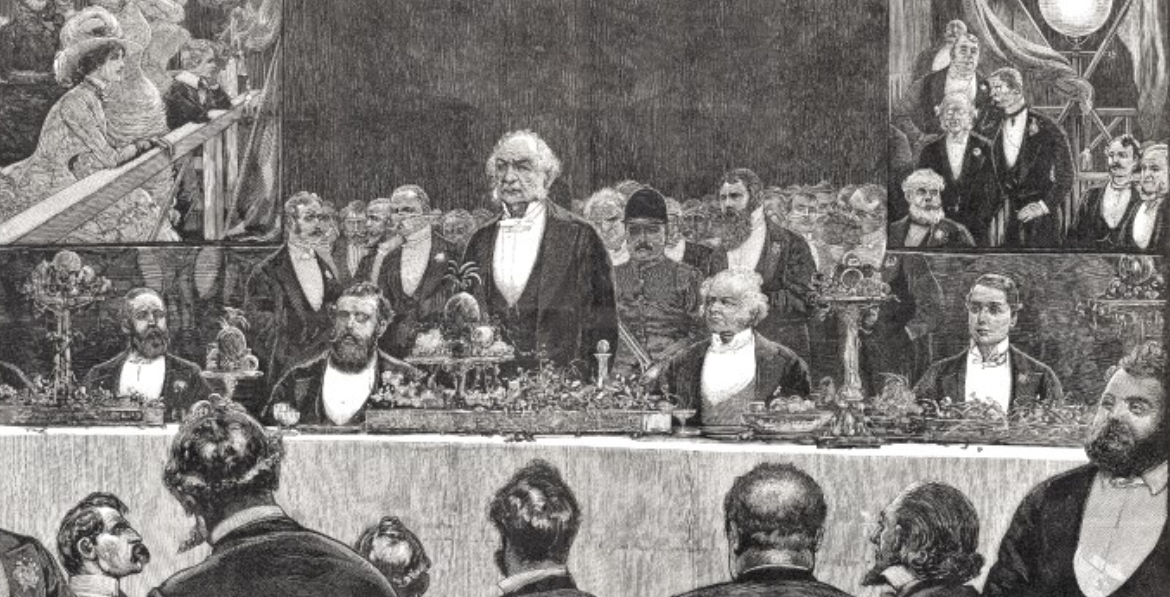
London’s private members’ clubs grew out of the coffee houses and taverns of the late 17th and early 18th centuries. These were places where men met to socialise and conduct business. Over time, as their popularity grew and London and its wealthier classes expanded, there was a greater need for dedicated places to meet. Clubs began by reserving rooms or entire premises, creating a more private environment. From there, the modern private members’ club began to take shape.
The 18th century saw the emergence of clubs with more distinctive identities. While they remained places for recreation and socialising—and often gambling—they increasingly formed around particular groups and political circles. The Dilettanti Society, founded in 1734, for example, brought together gentlemen interested in classical art and culture.
By the 19th century, this model had expanded considerably across London. A kind of clubland began to emerge: a network of private members’ clubs across the capital, catering to a growing range of interests. They gave people the chance to meet like-minded individuals, build connections and socialise around shared interests.
The great expansion came during the 19th century, particularly in the Victorian period. Clubs became an established part of London’s social and political life, with purpose-built clubhouses appearing across St James’s, Pall Mall and the surrounding West End. By this point, the private members’ club had evolved well beyond its origins in gambling and aristocratic sociability. Clubs provided dedicated spaces for political parties, professions, universities, the arts, science, travel and other shared interests.
Why connection matters now
The details have changed, but the underlying reason people join a club has not. We still want places where we can spend time with others, discover shared interests and feel part of a community. That desire may be more noticeable now because so much of modern life happens through a screen.
Technology makes it easy to stay in touch, but easy contact is not always the same as a meaningful connection. We can message, scroll and stream for hours, yet still miss the experience of being in a room with other people: talking without an agenda, sharing a meal or simply becoming a familiar face in a place we enjoy.
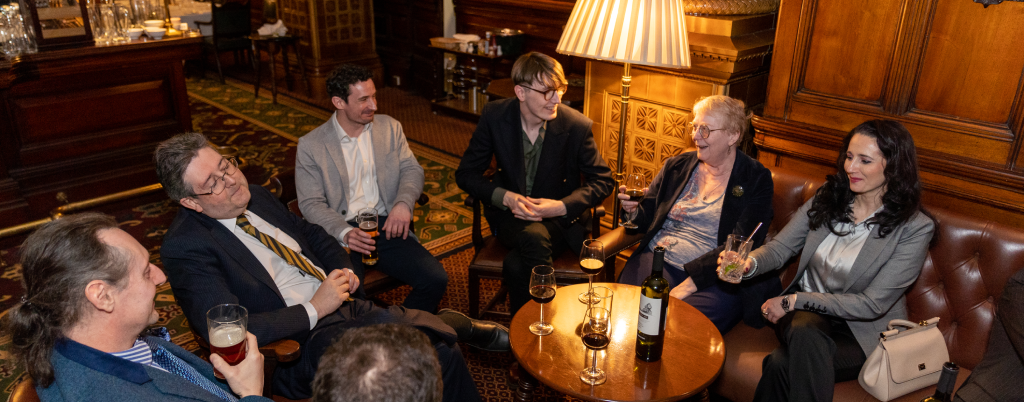
A private members’ club can offer that kind of setting. It brings people together in person and gives conversation, friendship and new connections room to grow naturally. There is no guarantee that every visit will lead to a lasting friendship or a useful introduction. The value is in having a welcoming place to return to, where those possibilities can arise over time.
Perhaps that helps explain the renewed interest in private members’ clubs in London. In a world full of ways to fill our time, people are still looking for places that make time together feel worthwhile. The appeal is not only the building, the history or the membership. It is the chance to meet, talk and feel connected to the people around us.
Are you interested in discovering how you can connect with people by becoming a member of the National Liberal Club? Get in touch with our Membership Team at membership@nlc.org.uk to find out more.